
Electric vs Gas vs Wood Outdoor Heaters: Running Costs in the UK
Buying the heater is the easy part. The bill that lands after a winter of garden evenings is the bit most people forget. A patio heater that looks cheap on the shelf can quietly become the most expensive thing in your garden, while a pricier model may sip fuel by comparison. Electric, gas and wood behave very differently, and the gap between them comes down to a handful of measurable things: the output of the unit, the price of the fuel, and how much of that heat actually lands on you rather than drifting into the night sky.
How each type makes heat
Electric heaters convert every kilowatt of electricity into heat at the point of use. Infrared models radiate that heat at people and surfaces, which is why they feel warm almost immediately. Fan and convector models warm the air instead, which is far less useful outdoors.
Gas patio heaters burn propane or butane in a cylinder-fed burner, usually under a reflector hood. Output is high and instant, but a lot of the heat travels straight upwards and is stripped away by even a light breeze.
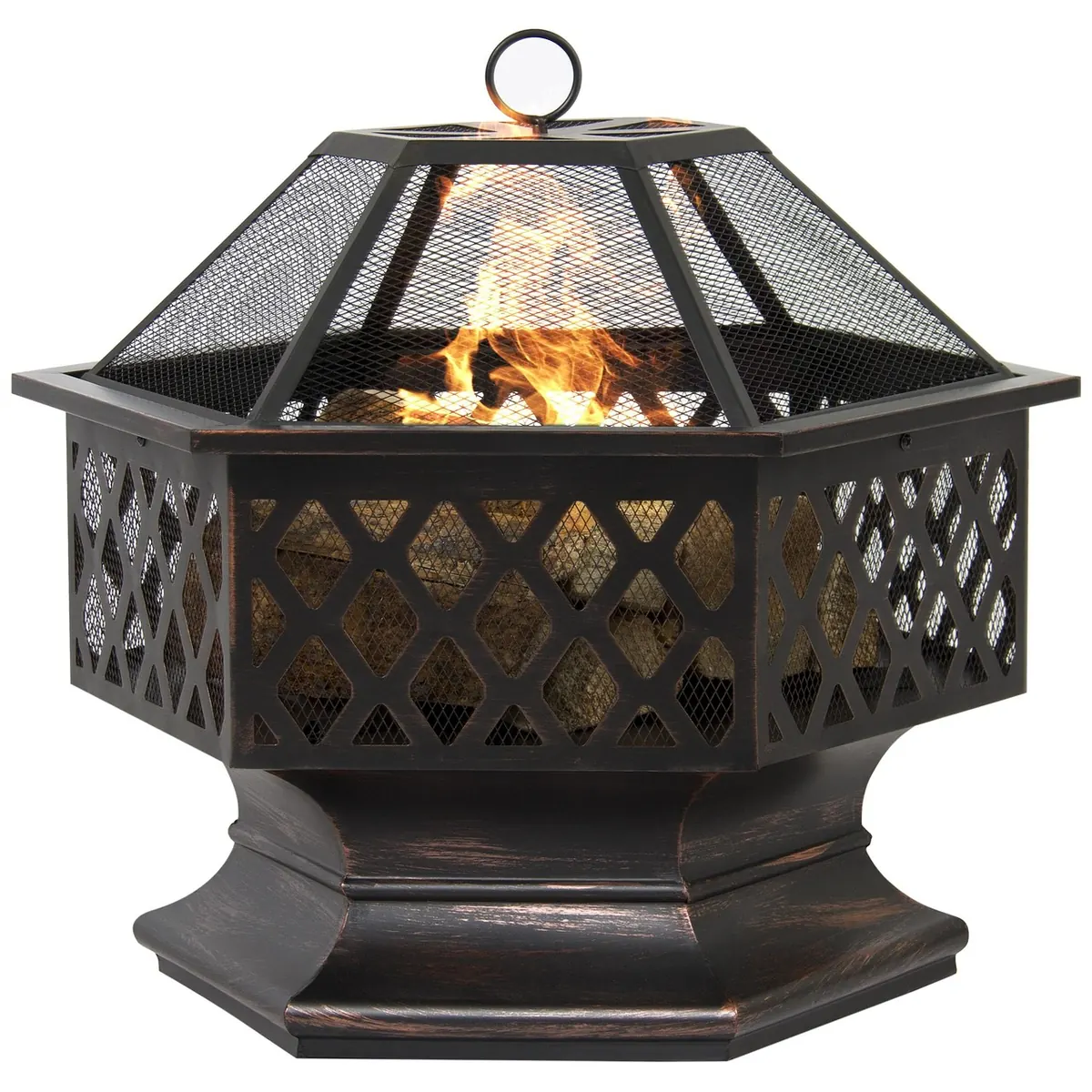
Wood burners, chimineas and fire pits are the most atmospheric and the least controllable. An open fire sends most of its heat up with the smoke; a closed wood burner is far more efficient, but it is a heavier, smokier, more permanent piece of kit.
What actually drives the running cost
Four things decide what an evening costs you, and only one of them is the price of the heater itself:
- Fuel price per unit of energy. Electricity is usually the most expensive fuel per kilowatt hour in the UK, mains gas is cheaper but rarely available outdoors, bottled gas sits in between, and wood varies wildly depending on whether you buy it or source it.
- Output and time. A 3 kW heater run for four hours uses three times the energy of a 1 kW heater run for four hours. Long evenings add up fast.
- Where the heat goes. Radiant heat aimed at people beats hot air rising into a dark sky. This is where wood and gas lose ground badly.
- Exposure. A sheltered courtyard holds warmth. An exposed terrace on a windy evening can double the time you need the heater switched on.
Electric heaters: simple maths, higher fuel price
Most domestic patio heaters in the UK sit between 1.5 kW and 3 kW. The calculation is refreshingly straightforward: power in kilowatts multiplied by hours, multiplied by your electricity unit rate.
For example, a 2 kW infrared heater running for three hours uses 6 kWh. If your tariff is, say, 24p per kWh, that evening costs about £1.44. Swap in the rate on your own bill — rates change, and standing charges and time-of-use tariffs complicate things further. Many suppliers now offer cheaper off-peak windows, which suits a heater you only use in the evening if your tariff rewards it.
Infrared units are the sensible choice for a small, sheltered patio where two or four people sit close by. Aim the heat at bodies, not at open space, and put a windbreak between you and the prevailing breeze. Buy an outdoor socket with RCD protection rather than trailing a domestic extension lead across wet paving.
Gas patio heaters: more heat, different sums
Typical gas patio heaters run somewhere between 2.5 kW and 4.5 kW, so they throw out noticeably more warmth than most plug-in models. A 13 kg propane cylinder holds the equivalent of well over 150 kWh of heat, which means tens of hours of use on a mid-sized unit — though you will pay a premium for the convenience of a swap-and-go cylinder versus refilling at a supplier.
Per kilowatt hour, bottled gas usually works out cheaper than electricity. In practice, that advantage shrinks, because so much of a gas heater's output escapes upward. Wind is the enemy: a gusty evening can leave you cold while the heater burns at full tilt.
Gas and wood heaters produce carbon monoxide and must never be used indoors, in a tent, awning, caravan, garage or any enclosed space. Any fixed gas installation or work on a gas appliance needs a Gas Safe registered engineer, and it is worth checking local rules before installing anything permanent.
Wood: cheap fuel, hidden effort
If you have a supply of dry, well-seasoned wood, wood heating can be the cheapest per hour of the three. Kiln-dried logs bought in small nets from a garage forecourt, on the other hand, are expensive for the heat they deliver, and an open chiminea or fire pit wastes most of it. Expect a tenth to a fifth of the energy to reach you; the rest leaves as smoke.
There is also the unpaid labour: splitting, stacking, keeping it dry, lighting it, feeding it, and dealing with ash the next morning. And if you live in a smoke control area, you may only burn authorised smokeless fuel or use a DEFRA-exempt appliance. Check with your local council before you buy — the rules catch people out.
Working out your own hourly figure
Rather than trusting anyone else's numbers, do this once and you will never guess again:
- Find the output of the heater in kW, or the energy content of the fuel you are buying.
- Estimate the hours you realistically use it in an evening — be honest, not optimistic.
- Multiply output by hours to get units of energy used.
- Multiply that by your actual unit price for electricity, gas or a load of logs.
- Add the extras: cylinder deposits, delivery charges, kindling, storage, and your own time.
A practical way to choose
Match the heater to the space you actually have. A small, sheltered patio with two or three chairs and a nearby outdoor socket is infrared territory — low purchase price, no fuel storage, instant warmth, and no fumes. A larger open terrace where people move around suits gas, provided you accept the cylinder logistics and the safety rules. A garden with a proper seating area, a supply of dry wood and no smoke restrictions rewards a closed wood burner, which gives steady, generous heat and a bit of theatre.
Whichever you pick, the cheapest running cost is usually the one you have not switched on yet. Layer up, use throws, block the wind, and heat the people rather than the postcode. Ten focused minutes of warmth beats three hours of heating an empty lawn — and that habit will save more than any choice of fuel.
Photo: JohnDean / Pixabay