
How to Safely Store and Cover Outdoor Heaters Over Winter
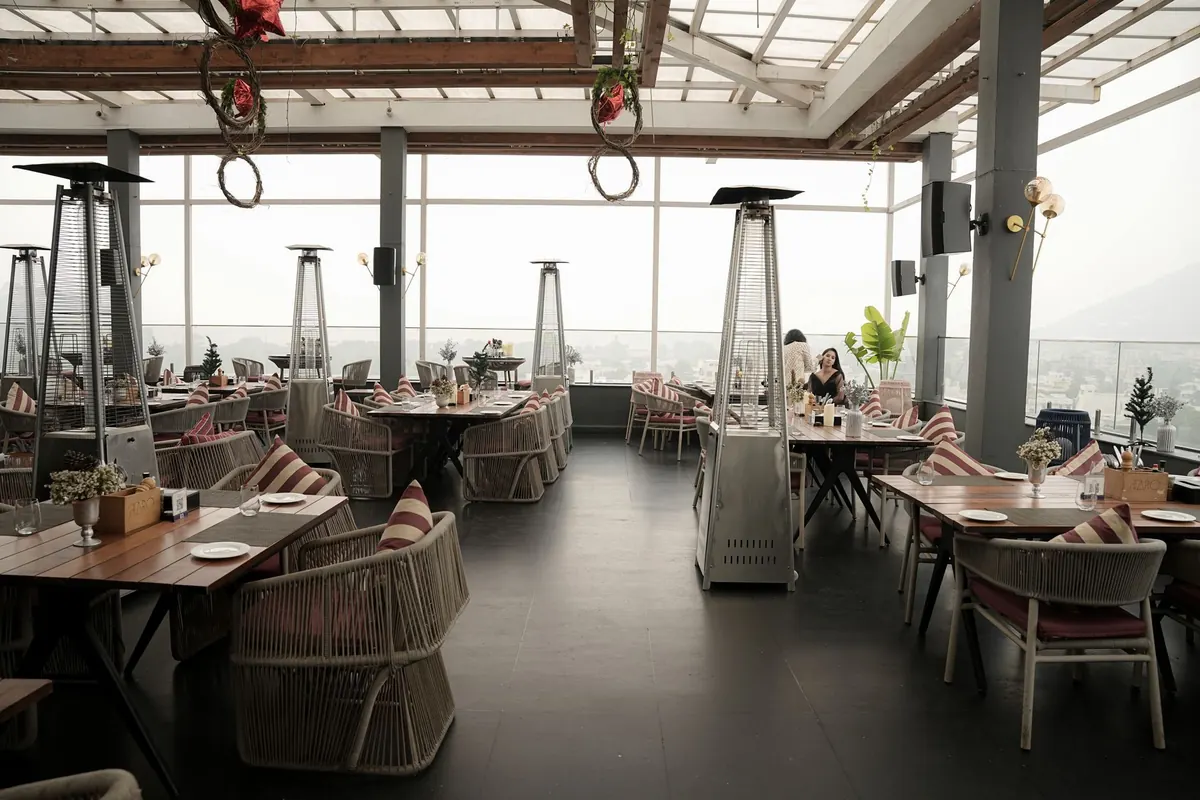
The first proper cold snap always catches someone out. A patio heater stands at the end of the garden under a sagging cover, water has pooled in the base, and by February the burner tube has rusted solid. Replacing it in spring costs more than the hour you would have spent putting it away properly.
Outdoor heaters are built to take rain and sunshine, but that does not mean they thrive through a British winter. Frost, condensation, damp sheds and mice all cause damage you will not spot until you try to light the thing. The routine below covers electric, gas and wood models — each has its own weak points — and takes an afternoon at most.
Clean it before you cover it
Every heater should go into storage clean and, above all, dry. Dirt holds moisture against metal, and grease on a burner or grill attracts pests.
For electric models, unplug the unit before you touch it, then wipe the housing, reflector and grille with a damp cloth and a little mild detergent. Never hose down an electric heater or dunk the element housing — water in the control panel is one of the most common reasons a heater fails after winter. Give it a full day somewhere warm and airy to dry out.
For gas heaters, a soft brush beats a cloth. Pay attention to the burner and the air openings behind it; spiders and wasps love those tubes, and a blocked venturi is a classic cause of weak flames and hard starting. Check the reflector above the burner too, since it collects soot and insect debris.
Wood burners, chimineas and fire pits need the ash out. Empty it into a metal container and leave it outside for at least 48 hours before binning it — ash can hold embers for a surprisingly long time. Scrape the firebox, brush the outside down, and let any cast iron parts dry fully.
Electric heaters: keep them dry and off the floor
Electric heaters are the easiest to look after and the most easily ruined by damp. If you have space, bring them inside — a garage, loft or spare room is ideal. If the shed is your only option, get the unit up off the concrete on a shelf, a pallet or a couple of bricks. Concrete wicks moisture, and a heater sitting directly on it will rust from the base upwards.
Do not wind the cable tightly around the housing for months on end. Coil it loosely, secure it with a tie, and keep it in a sealed bag or box to keep mice away — chewed flex is a genuine fire risk. Before it goes away, check the plug and cable. Cracked insulation, a scorched plug or a hairline split in a quartz tube all mean the heater should be looked at by a qualified electrician rather than used again.
Gas heaters: the cylinder matters as much as the heater
Turn the gas off at the cylinder, then follow the manufacturer's instructions on whether to disconnect the hose. If you do disconnect it, cap the cylinder outlet and store the hose indoors, out of sunlight — UV perishes rubber faster than cold does.
Cylinders belong outdoors, upright, in a well-ventilated spot, away from drains, doorways and anything flammable. They should never be kept in a cellar, under stairs or inside the house, even if the heater itself lives in a garage. If you are unsure about your setup, ask your gas supplier.
Inspect the hose for cracking, stiffness or a worn date stamp, and check the regulator for damage. Anything on the gas side that looks suspect should be dealt with by a Gas Safe registered engineer — it is not a DIY job and not worth guessing at. Slip a plastic bag or small cover over the burner head and control knobs to keep rain and insects out, but leave the ventilation slots clear.
Wood burners, chimineas and fire pits
Cast iron and steel rust; clay cracks. Both come down to water sitting where it should not.
Wire-brush any loose rust and touch up bare patches with a heat-resistant paint, keeping paint off the inside of the firebox, the grate and anything you cook on.
Clay chimineas are the fussiest of the lot. Water trapped in the clay expands when it freezes and can split the body. Bring small ones inside or into a shed. If that is not possible, stand the chiminea on a dry paved surface, cover the top and the firebox opening, and make sure air can still move around it.
A fire pit left bowl-up collects rainwater and can rust through in a season. Turn it upside down, or cover it, and raise it off the grass.
Covering them properly
A cover only helps if it breathes. Trapping condensation under a sealed tarpaulin is worse than leaving the heater open to the air.
- Wait for a dry, mild day. Never cover a damp or still-warm heater.
- Use a breathable, purpose-made cover where you can. If you are improvising, use a cotton sheet or a tarp propped up so air can move underneath.
- Do not tape plastic sheeting tight around the unit — condensation will run down the inside of it.
- Secure the cover against wind, but not so tightly that it rubs the paint or scratches glass.
- Lift the heater off the ground first.
- Check it monthly through winter and after storms. Brush snow off rather than letting it melt through the fabric.
- Keep it away from dripping gutters, leaky shed roofs and anywhere water pools.
Bringing everything back into service
Do not just plug in and hope. Uncover on a dry day, wipe everything down and inspect it in daylight.
Check the flex, plug and housing on electric models, and run the heater outdoors or in a well-ventilated space first — dust burning off the element smells unpleasant but is normal. Never use a patio heater indoors, in a tent, or in a garage with the door shut; these units produce carbon monoxide.
For gas, reconnect the hose and brush soapy water over the joints, watching for bubbles before you light anything. Bubbles mean a leak: turn the gas off and call a Gas Safe registered engineer.
Wood burners get a visual check for rust and cracks, a fresh layer of protection on any bare metal, and a small test fire to drive out residual moisture.
Store it well and the heater will be ready when you are. If anything about a gas or electrical fault makes you uneasy, have it looked at properly rather than working around it.
Photo: Susheel Parihar / Pexels