
Chiminea Safety Rules for Wooden Decking and Patios
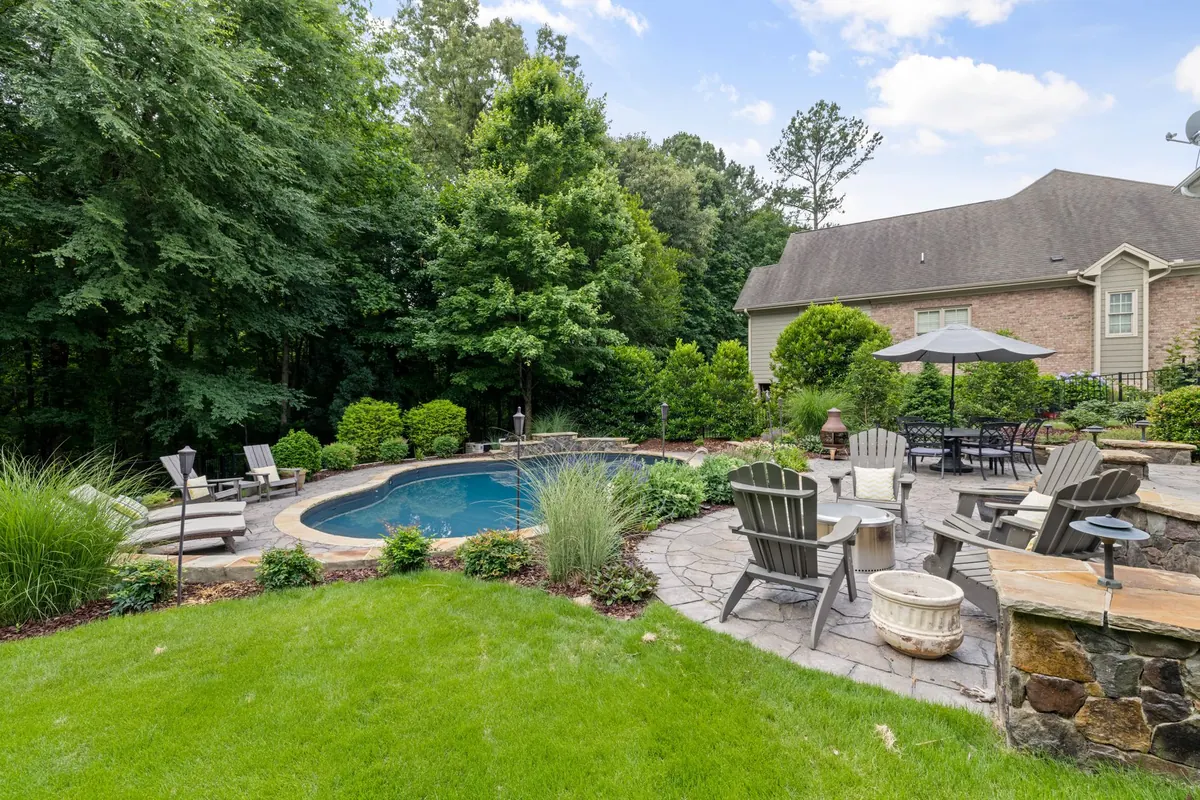
A chiminea turns a cool evening into one worth sitting out for. It also places an open fire a few centimetres above a surface that, on plenty of British decks and patios, will happily burn. The difference between a memorable night and a scorched board usually comes down to three things: how far the chiminea sits from anything combustible, what it stands on, and where the embers land.
None of it is complicated. It simply has to be sorted before the first fire, not after the first black mark appears in the decking.
Start With What the Chiminea Stands On
Timber decking is the riskiest common surface. Boards char, cup and eventually ignite. Composite boards behave differently but no better in the long run — they soften, stain and blister well before they catch, and the damage is permanent. Even a chiminea on legs radiates heat downwards and drops embers through the gap beneath the bowl.
The answer is a non-combustible base that is wider than the chiminea's footprint, not just wide enough for its legs. A concrete paving slab, two or three dense stone pavers, or a proper hearth pad all do the job. Be sceptical of thin mats sold as heat resistant: many will protect a surface from a warm bowl but not from a falling ember. Check what the product is actually rated for.
On grass the same rule applies for a different reason. Dry summer grass catches fast, and a hot base will kill the lawn underneath. Artificial grass is worse — it melts, and the mark never comes out.
Clearance Distances That Actually Work
If your manual states a minimum clearance, that figure wins. Where there is no guidance, treat the following as sensible minimums rather than precise science:
- At least 3 metres from the house, shed, garage, fence, hedge and any overhanging branches.
- At least 2 metres from furniture, parasols, planters, bin stores and anything else that can burn.
- At least 1 metre of clear, non-combustible ground around the base.
- Nothing overhead at all — no awning, pergola roof, porch, balcony above or washing line.
Measure it once, then make the spot permanent. A couple of slabs set into the deck as the chiminea's fixed home stops it creeping closer to the fence over a summer of small, innocent adjustments.
Placement, Wind and Smoke
Where the chiminea sits decides whether you get a pleasant fire or a face full of smoke every time the wind shifts. Before lighting, check the direction of the breeze — a ribbon tied to a fence post or a pinch of dry grass thrown in the air will tell you more than a forecast.
Keep the unit on level ground. On a slope, build a solid, level base; never wedge the legs with offcuts of timber. Avoid the corner where a fence meets a wall: heat reflects back off both surfaces, and smoke lingers there. Leave the main route in and out of the house clear, and never position a chiminea so it blocks a door, gate or path.
Think about the neighbours as well. Smoke nuisance is the most common complaint about garden fires. If you live in a smoke control area, only authorised fuels and appliances may be used, so it is worth checking with your local council before you buy fuel. Keep the fire burning hot and relatively short rather than letting it smoulder for hours.
And the obvious one, which still catches people out: never use a chiminea indoors, in a tent, in a shed, or under a canopy or gazebo. Burning solid fuel in an enclosed space produces carbon monoxide, which you cannot see or smell.
Fuel and Ember Control
Most garden fire incidents start with what went in, not what the chiminea was made of.
- Burn dry, seasoned hardwood or kiln-dried logs. Wet or green wood smokes heavily and spits.
- Never burn treated, painted or varnished timber, and avoid salvaged pallet wood unless you know it is untreated and clean.
- Skip coal in a clay chiminea unless the manufacturer says it is suitable — the heat can crack the body.
- No petrol, paraffin, barbecue lighting fluid or firelighters piled high. One or two firelighters under dry kindling is enough.
- Load to roughly half to two-thirds capacity and top up in small amounts rather than filling it to the rim.
- Fit the spark screen or close the door if your model has one. Mesh catches the larger embers that would otherwise sail onto the decking.
Let a dying fire die. Adding fuel purely to keep it going produces more smoke and more embers for no real gain. When it comes to the ash, leave it for at least 24 hours, tip it into a metal container, and never into a plastic bag or straight into a wheelie bin — ash can stay hot far longer than it looks.
Supervision, Weather and Shutting Down
A lit chiminea is never left alone. Not to answer the door, not to fetch a jumper, not "just for a minute". Children and pets need one firm rule: stay behind the edge of the base slab. Keep a bucket of water, a bucket of sand or a connected hose within arm's reach of where you are sitting, not across the garden in the shed.
Weather matters more than most people expect. A sudden gust can tip a light chiminea or throw embers well beyond your clearance zone, so if the wind picks up, let the fire burn down. Clay chimineas can crack when cold rain hits a hot body or when frost gets into a hairline crack, so store yours under cover over winter and inspect it before the season starts. Never pour cold water over a hot clay chiminea to speed things along — let it cool naturally.
A Five-Minute Pre-Light Check
Run through this every time you light up. It takes less time than reading the manual.
- Wind direction checked, and the forecast for the next couple of hours glanced at.
- Base slab in place, chiminea level and stable.
- Clearances measured to house, fence, branches and furniture.
- Nothing overhead, and the area around the base swept clear of dry leaves.
- Dry, untreated fuel ready, with the spark screen or door within reach.
- Water or sand beside you, and nobody left in charge who does not want the job.
Give a chiminea room, a firm non-combustible footing and a bit of attention, and it earns its place on the patio for years. Get complacent about a wooden deck beneath it, and you will find out how quickly a pleasant evening turns into a repair bill.
Photo: Curtis Adams / Pexels